
Buffalo Reef Restoration: A Key Effort for Michigan’s Outdoor Life
The decision to resume dredging at Grand Traverse Harbor marks a significant turning point in the quest to save Buffalo Reef and protect Michigan’s cherished outdoor resources. As dredging crews prepare to return this summer, many are weighing the benefits and potential challenges of a project that many locals see as critical for preserving both recreational opportunities and the region’s natural heritage.
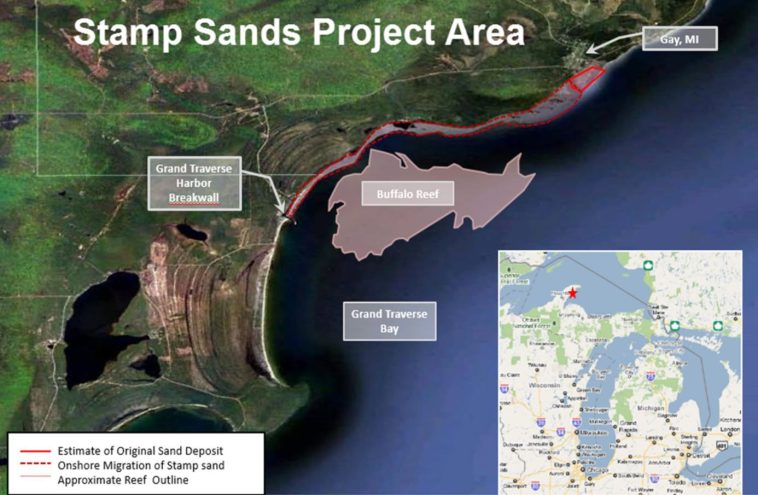
For decades, the community and environmental experts alike have been concerned about the persistent threat of stamp sands—the legacy copper mine tailings from the Wolverine and Mohawk mines—that have slowly encroached upon natural sand beaches along Lake Superior’s shoreline. The ongoing dredging effort is part of a broader strategy aimed at freeing Buffalo Reef from the toxic chains of these mining remnants, ensuring that fishing, boating, and other outdoor activities can continue without risking the area’s delicate ecosystem.
Understanding Stamp Sands and Their Impact on Local Ecosystems
Stamp sands are a byproduct of historic mining operations that, over time, have been carried by winds and waves down the shoreline. These sands threaten not only the natural aesthetics of Michigan’s beaches but also the vital spawning and recruitment areas for Lake Superior whitefish and lake trout. Many local residents consider it a race against time to protect these habitats from being overwhelmed by the migrating sediments.
By examining the origins and journey of these stamp sands, one can see how a series of tangled issues and subtle environmental shifts can gradually disrupt an ecosystem. The dredging project, supported by the U.S. Army Corps of Engineers and several state agencies, aims to remove these problematic deposits before they cover the natural reef, an iconic underwater feature that spans 2,200 acres in Grand Traverse Bay.
Geotechnical Work and Construction Plans: What They Mean for Local Communities
The recent update on the project was that geotechnical work for a proposed jetty has been completed, and design work for the upland stamp sands placement facility is currently ongoing. This approach intends to intercept migrating stamp sands and store them safely away from sensitive areas while minimizing their adverse effects on local waterways.
For community members, the news is both reassuring and a reminder of the tricky parts of such a vast undertaking. The proposed jetty, which is expected to stretch 2,000 feet, will serve as a barrier between the natural shoreline and the encroaching sediments. Simultaneously, the planned upland facility will offer a controlled environment to deposit dredged material, helping to keep the harbor accessible for fishing boats, recreational vessels, and local industries that rely on open water access.
Challenges of Protecting Outdoor Recreation: From Fishing to Boating
The health of Buffalo Reef has far-reaching implications for Michigan’s outdoor recreation community. Local anglers, boaters, and charter fishing businesses have all expressed concerns about the potential loss of fish habitat, property damage, and reduced access to prime fishing spots if stamp sands are allowed to continue their slow march southward.
Working through the impacts of marine dredging brings with it a host of intimidating challenges. The shifting shoreline, loss of boat docks, and alteration of natural habitats are just a few of the problematic pieces that need to be addressed. Many believe that the long-term success of the dredging project will depend on a careful balance between maintaining access for recreational users and protecting the fragile natural environment.
The U.S. Army Corps of Engineers has warned that failing to maintain the dredging project could lead to serious consequences, such as local job losses, property damage, and even increased pollution due to eroding shorelines. While the project has its tangled issues, it also offers a chance to preserve Michigan’s proud legacy of outdoor recreation.
Economic Implications and the Road to a $2.1 Billion Project
One of the most nerve-racking aspects of any major environmental and infrastructure project is its cost. The current estimate for completing the Buffalo Reef project stands at about $2.1 billion over its projected timeline. This huge price tag has raised concerns in many local communities who worry that the financial burden might delay or complicate an otherwise necessary initiative.
Local business owners, tour operators, and environmental advocates all share the view that while the cost is high, the investment is critical to safeguard future generations’ access to Michigan’s pristine waterways. The project is partly funded through the Great Lakes Restoration Initiative and state appropriations, underscoring the importance of collaboration between federal, state, and local bodies.
A simple table can help illustrate some of the immediate and long-term economic pros and cons surrounding the project:
| Aspect | Benefits | Challenges |
|---|---|---|
| Local Economy | Job creation in dredging, tourism boost, increased business for local vendors | Potential delays in project funding, increased tax burdens |
| Outdoor Recreation | Improved access to fishing, boating, and waterfront activities | Temporary disruptions during construction |
| Environmental Health | Preservation of fish habitats, reduction in shoreline erosion | Complexity of balancing dredge removal with habitat restoration |
The table above highlights that despite the intimidating cost, the key benefits in terms of environmental sustainability and local economic growth make this project a must-have for the community.
Collaboration Among Agencies: A Model for Community-Based Problem Solving
What is particularly notable about the Buffalo Reef project is the level of collaboration it has inspired among various agencies. The Michigan Department of Natural Resources, the Michigan Department of Environment, Great Lakes, and Energy, the U.S. Army Corps of Engineers, and even local groups like the Keweenaw Bay Indian Community and the Great Lakes Indian Fish and Wildlife Commission are all working together on this initiative.
Their combined efforts exemplify how working through legal, environmental, and regulatory challenges can lead to a more resilient solution for protecting our natural resources. These partnerships demonstrate that when multiple stakeholders pool their technical knowledge and local experience, it becomes much easier to steer through the intimidating twists and turns of major environmental projects.
This collaboration also extends to public outreach, as agencies are actively seeking community input and providing regular project updates. Through this transparent dialogue, concerned citizens have opportunities to sign up for email updates and stay up-to-date on the project’s progress. The enthusiasm generated by this collaborative effort has become a beacon of hope for many local families who depend on a healthy natural environment for both recreation and their livelihoods.
Taking a Closer Look: Geotechnical Design and the Proposed Jetty’s Role
The completion of geotechnical work for the proposed 2,000-foot jetty is one of the most promising developments in the Buffalo Reef project. This engineering feat aims to act as a physical barrier, intercepting the stamp sands as they migrate south. By keeping the sediments from overwhelming the natural reef and critical spawning areas, the jetty is poised to protect not only aquatic life but also the local businesses that depend on a clean and accessible harbor.
Local engineers describe the process as a careful balancing act: designing a structure robust enough to handle the force of migrating sediments yet flexible enough to work within Lake Superior’s natural dynamics. In essence, the project team must figure a path through a maze of fine details to ensure the jetty’s long-term success. The challenge lies in the subtle parts of engineering—the hidden complexities that, if not properly managed, could result in additional environmental strain.
Below is a brief rundown of the key steps involved in the design and construction phases:
- Conducting detailed geotechnical surveys of the harbour and shoreline areas
- Developing computer models to predict sediment movement
- Testing various materials for durability and environmental compatibility
- Collaborating with environmental experts to ensure minimal disruption to aquatic habitats
- Designing the jetty to integrate seamlessly with existing coastal infrastructure
Every step involves some of the most subtle details and a careful assessment of potential risks, ensuring that the project remains on track technologically and environmentally.
Stamp Sand Disposal Facility: Addressing a Nerve-Racking Financial and Environmental Puzzle
In tandem with the jetty, the project also includes plans for constructing an upland stamp sands disposal facility. This proposed facility is designed to store dredged material safely, thereby reducing the risk of environmental contamination along the shoreline. While this plan presents a promising way forward, it has also stirred debates among local stakeholders and environmentalists.
Critics argue that managing such a facility involves its own set of complicated pieces. They point out that finding a secure spot and ensuring that the disposal does not lead to further environmental degradation can be a nerve-racking task. The project team, however, is determined to get into every aspect of the matter, taking careful measures to address each potential pitfall head-on.
A simplified list of the proposed advantages of the upland facility is as follows:
- Minimizing direct discharge of contaminated sand into Lake Superior
- Creating a controlled environment for the safe storage of stamp sands
- Reducing long-term maintenance costs for the harbor
- Ensuring that economic development in the region is not hampered by environmental hazards
While the long-term cost estimate for the entire project is significant, many believe that this is a super important investment that will ultimately pay off in preserving Michigan’s natural beauty and recreational infrastructure.
Immediate Community Impacts: Balancing Economic Opportunities and Environmental Risks
At the local level, the implications of continuing dredging work are vast. Property owners, local businesses, and community members have expressed both support and caution regarding the reopening of the Grand Traverse Harbor for regular dredging operations.
On one hand, continued dredging means that fishers and boaters will be able to enjoy an open harbor, which in turn supports recreational fishing, boating enterprises, and tourism. With these industries being a lifeblood for communities along the shoreline, many see the project as a must-have measure to safeguard their way of life.
On the other hand, some fear that disruptions during construction could temporarily exacerbate erosion and potentially lead to property damage, a prospect that many find overwhelming. The U.S. Army Corps of Engineers has been clear: if dredging is neglected, the repercussions could include a loss of local jobs, diminished value of waterfront properties, and deterioration of natural habitats.
To give a clearer picture, here are some of the immediate impacts outlined by local agencies:
- Continued operation of recreational and charter fishing businesses
- Protection of privately owned docks and public boating access sites
- Prevention of erosion-related shoreline damage
- Reduction in pollution from disrupted sediments and marine habitats
These bullet points underscore both the economic opportunities and the potential pitfalls involved, highlighting the delicate balance that must be maintained.
Working Through Environmental Regulations and Local Permitting Challenges
Any project of this scale must get around a maze of environmental regulations and local permitting challenges. For many, the process of sorting out these legal hurdles can feel like navigating through a labyrinth, full of twists and turns that are both intimidating and off-putting.
Agencies involved in the Buffalo Reef initiative have spent countless hours working through regulatory frameworks to ensure that all aspects of the project adhere to both state and federal laws. The process involves:
- Securing permits from multiple agencies
- Ensuring that the project meets environmental protection standards
- Collaborating with local communities to address any concerns
- Regularly updating stakeholders with progress reports
By taking a closer look at the regulatory process, it becomes clear that success here depends on a transparent, community-oriented approach that invites public participation and feedback at every stage.
Local Employer and Business Perspectives on the Dredging Initiative
Economic indicators suggest that outdoor recreation and related businesses could benefit significantly from the ongoing dredging project. Local employers recognize that keeping the harbor clear is not simply an environmental issue—it is a cornerstone for their economic well-being.
For many local business owners, the reopening of Grand Traverse Harbor represents an opportunity to bring more tourism dollars into the county. Fishing charters, bait and tackle shops, and even local restaurants depend on a steady stream of visitors who come to enjoy the scenic beauty of Lake Superior and the abundance of recreation options it offers.
At the same time, some business owners are wary of potential construction delays or regulatory setbacks that could interrupt the flow of goods and services vital to their operations. In response to these concerns, several community meetings have been organized to provide updates on the project timeline and address any questions from local stakeholders.
A summary list of local business concerns includes:
- Ensuring continuous access to the harbor during construction phases
- Maintaining the integrity of adjacent properties and infrastructure
- Potential increases in operational costs due to regulatory compliance
- The need for clear communication from project managers
By fostering an open dialogue between project leaders and the local business community, stakeholders hope to mitigate potential setbacks and ensure that economic benefits are distributed equitably.
Making Your Way Through the Confusing Bits of Public Policy and Funding
Another important aspect of this project is the public policy and funding side of the equation. With an estimated cost exceeding $2 billion, questions abound regarding long-term financing and the allocation of funds. Many are required to get around a series of confusing bits in state and federal budgeting, trying to figure a path that balances environmental preservation with fiscal responsibility.
Experts point out that the funding for this project comes from multiple sources, including the Great Lakes Restoration Initiative and state appropriations. This diversified funding stream is considered a critical factor in mitigating the risk of cost overruns and ensuring that the dredging efforts proceed on schedule.
In a table format, here is an overview of some of the key funding sources and their roles:
| Funding Source | Role in Project |
|---|---|
| Great Lakes Restoration Initiative | Significant financial backing for environmental restoration |
| State of Michigan Appropriations | Local support for infrastructure and community projects |
| Federal Partnerships | Technical and additional financial assistance through agencies like the U.S. Army Corps of Engineers |
This table helps clarify that despite the nerve-racking numbers, a collaborative funding strategy underpins the project. Still, many local politicians and community leaders remain vigilant, regularly voicing the need for accountability and transparent spending.
Recommendations for Visitors and Outdoor Enthusiasts
For those planning to visit Michigan’s pristine waterways, the dredging project underscores the importance of staying informed about both short-term construction impacts and long-term environmental benefits. Local officials recommend a few key steps for outdoor enthusiasts during this crucial period:
- Stay updated on project progress via official Michigan DNR updates and local news outlets.
- Plan your outdoor trips with flexibility in mind, as construction phases may temporarily affect harbor access.
- Support local businesses by choosing vendors who actively participate in community discussions about environmental stewardship.
- Participate in public meetings and forums; your input is valuable in shaping final project decisions.
Understanding where and how to get involved not only helps safeguard your favorite recreation spots but also contributes to the broader conversation about sustainable tourism and environmental preservation. With organized efforts and community support, visitors can feel confident that they are playing a small part in a much larger initiative designed to protect Michigan’s natural legacy.
Local Voices: Community Experiences and Observations
Interviews with local residents reveal a mixed bag of hope and concern. Many describe the project as a lifeline for preserving not only the environment but also the local economy, particularly in communities where outdoor recreation forms the backbone of local identity.
Some residents note that while the prospect of extended construction might be off-putting, the long-term benefits far outweigh the temporary inconveniences. As one local angler put it, “Knowing that our fishing waters will be safe for future generations is worth a few months of construction disruptions.” Others emphasize the need for greater public input, suggesting that more regular updates and town hall meetings would help calm fears and build trust within the community.
The following table summarizes a few common sentiments among local stakeholders:
| Community Group | Key Concerns | Hopes for the Future |
|---|---|---|
| Local Fishermen | Erosion of fishing grounds; habitat loss | Preservation of productive fishing areas and increased safety |
| Business Owners | Temporary loss of tourism and access issues | Improved harbor access; long-term economic boost |
| Environmental Advocates | Potential further environmental damage if not managed properly | Restoration of natural habitats and controlled disposal of stamp sands |
These community voices emphasize the need for continued dialogue and careful management. They serve as a reminder that every large-scale environmental project comes with its share of small distinctions and subtle differences that can significantly impact daily life.
Working Through the Tricky Parts: Environmental and Regulatory Fine Points
The journey to restore Buffalo Reef is not without its complicated pieces. Between the technical challenges of designing a robust jetty, the detailed planning required for the upland disposal facility, and the endless twists and turns in environmental regulations, project managers must keep their eyes on numerous little details.
One of the more challenging aspects has been coordinating among multiple agencies and stakeholders. Each group, from federal agencies to local community councils, brings its own set of opinions and priorities. This collaboration, while essential, also means that decisions must be made with a nuanced understanding of the small distinctions that exist among different regulatory bodies.
The decision-making process involves:
- Evaluating potential environmental risks with detailed surveys
- Coordinating with local tribal communities for culturally sensitive land use
- Balancing economic needs with environmental sustainability requirements
- Ensuring all design parameters meet the rigorous standards set by state and federal guidelines
This multifaceted approach calls for a realistic yet optimistic outlook. Although the challenges are indeed nerve-racking at times, the commitment of all parties involved gives many hope that these tangled issues will be sorted out effectively.
Public Safety and Recreational Education: Ensuring a Safe Harbor for All
An area that often gets overlooked in discussions about dredging and environmental projects is public safety and the educational opportunities that arise from these initiatives. By highlighting ongoing community education programs and recreational safety classes, local agencies aim to ensure that the renewed harbor remains a safe and inviting space for all.
In addition to the technical and engineering challenges, there is also the important matter of equipping local communities with the knowledge needed to get around the new changes. This includes:
- Workshops on safe boating practices during construction phases
- Information sessions on the environmental impact of stamp sands
- Recreational safety classes that keep residents informed and prepared
- Opportunities for local schools and youth groups to participate in community-based environmental projects
By integrating these educational efforts into the overall dredging project, officials are not only focused on the physical aspects of harbor restoration. They are also taking essential steps to ensure that public safety and recreation remain paramount as Michigan continues to rebuild its natural resources.
Conclusion: The Road Ahead for Buffalo Reef and Michigan Recreation
In many ways, the renewed focus on salvaging Buffalo Reef is emblematic of Michigan’s larger commitment to preserving its natural landscapes for future generations. While the project is loaded with complicated pieces and will undoubtedly face its share of challenges, the collaborative spirit and community involvement provide strong reasons for cautious optimism.
The dredging project is not merely about removing unwanted sediment; it is about reinvigorating a cherished coastal resource, protecting the ecosystems that support a wide range of outdoor recreations, and bolstering the local economy. Whether you’re an avid angler, a boating enthusiast, a local business owner, or simply someone who cherishes Michigan’s natural beauty, you have a stake in this ambitious effort.
From geotechnical work to public safety education, every phase of the project reflects the importance of managing your way through a series of intertwined challenges with transparency, community input, and technical expertise. By supporting these multi-agency initiatives and remaining active in local dialogues, residents and visitors alike can contribute to ensuring that Michigan’s shores remain vibrant and accessible.
As construction crews prepare to resume work this summer, it is clear that the future of Buffalo Reef—and with it, the future of Michigan’s outdoor recreation—hinges on a combination of robust engineering, smart environmental management, and the unwavering support of the local community. With a clear focus on mitigating the risks posed by stamp sands and an eye on the long-term benefits for both nature and industry, this effort stands as a testament to what can be achieved when people, agencies, and communities come together.
Ultimately, the Buffalo Reef dredging project offers a beacon of hope amid the twists and turns of modern environmental challenges. It reminds us that even in the face of intimidating odds and tangled issues, there is enormous value in working together to preserve the natural beauty and economic vitality of Michigan’s waterways.
As this multi-billion-dollar endeavor moves forward, it is incumbent upon all stakeholders—government agencies, local communities, and private businesses—to remain engaged and informed. Whether you are directly affected by the construction or simply value Michigan’s rich heritage of outdoor recreation, there is an opportunity here to make a meaningful impact.
In closing, while the path ahead might be dotted with a few nerve-racking surprises and confusing bits, the collective commitment to restoring Buffalo Reef serves as a shining example of how dedicated efforts can turn challenges into opportunities. Let this project be a call to action for every individual who cherishes the open water, the thrill of outdoor adventure, and the splendor of Michigan’s natural landscapes.
We look forward to the day when the harbor sails smoothly, the natural reef thrives under clear waters, and Buffalo Reef stands as a monument to successful community collaboration and environmental restoration. Until then, let us all keep a close eye on the progress, support our local initiatives, and celebrate the enduring spirit of Michigan’s outdoor life.
Originally Post From https://www.michigan.gov/dnr/about/newsroom/releases/2025/07/11/buffalo-reef-dredging-set-to-resume
Read more about this topic at
Saving Buffalo Reef
Protecting and restoring Buffalo Reef Final Alternatives …