
An Opinion Editorial on Preparedness and Responsibility on New Hampshire’s Trails
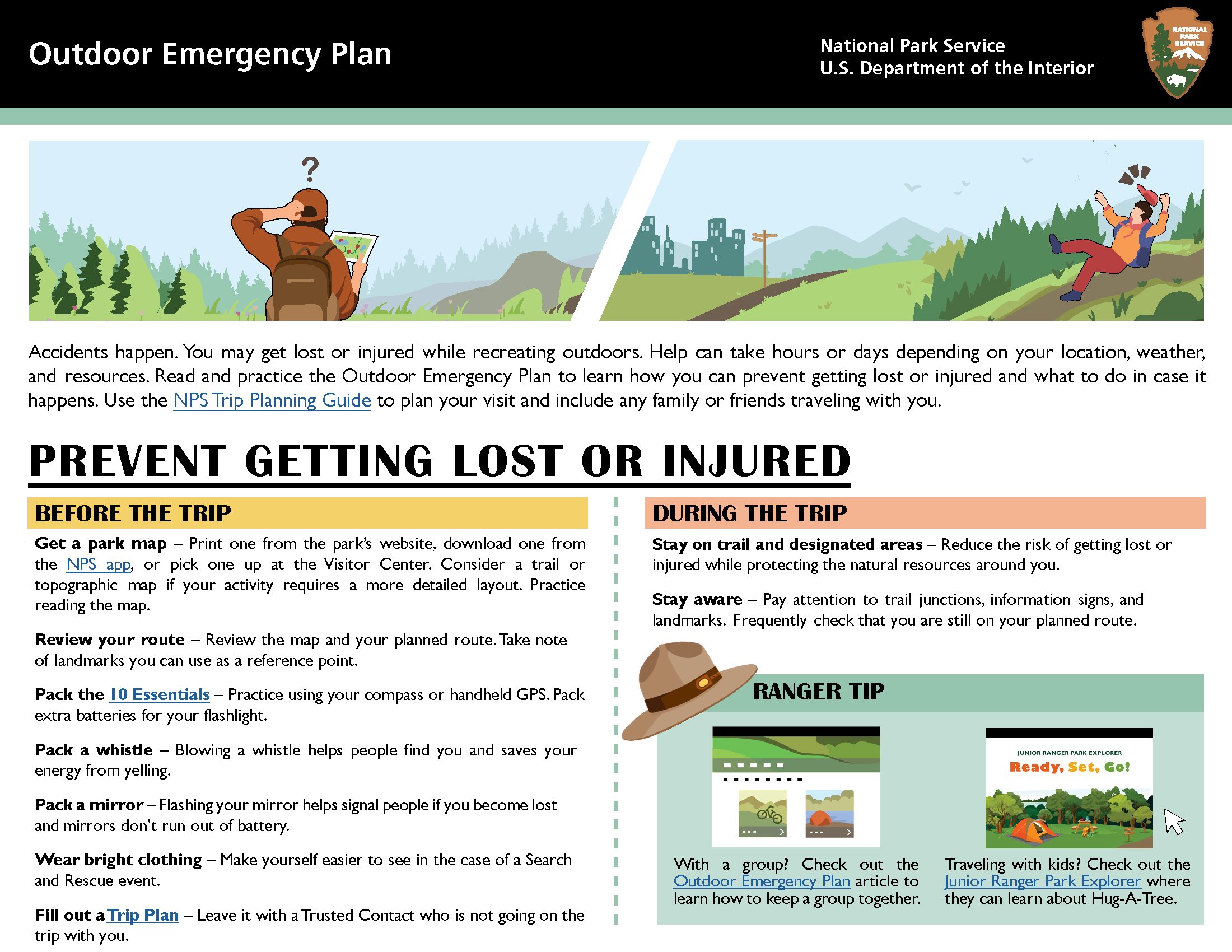
As the Fourth of July weekend approaches, New Hampshire’s hiking trails come alive with outdoor enthusiasts eager to embrace nature. In my view, now more than ever, it is essential for visitors and residents alike to take a moment and consider the responsibilities that come with exploring our state’s pristine wilderness. Whether you are setting off on a peaceful hike, an adventurous kayak journey, or even preparing for challenging climbs, being prepared is not just a guideline—it is a way to ensure that our shared natural resources remain safe and accessible for everyone.
Today, I invite you to get into a closer look at the importance of proper preparation before embarking on any outdoor adventure. In the following sections, we will dig into various aspects of trail safety, share practical tips, and examine the role of local initiatives like the voluntary Hike Safe card. With a clear understanding of the key elements of personal accountability and safety, every adventure can be a fulfilling, memorable, and above all, secure experience.
Personal Responsibility on the Trails: Taking the Wheel of Your Own Safety
When the allure of New Hampshire’s rugged beauty calls out to you, it is super important to recall that every outdoor expedition involves personal responsibility. In my opinion, the freedom of nature goes hand in hand with the need to look after oneself. Before venturing out, it is critical to understand your own physical limitations and appreciate that even a light hike can quickly escalate into an intimidating challenge if conditions suddenly change.
It’s easy to be carried away by visions of scenic vistas and the lure of exploration. However, maintaining awareness of the surrounding conditions is a subtle but essential detail. As outdoor enthusiasts, we have both the privilege and the duty to:
- Check weather updates before and during your adventure.
- Prepare yourself mentally and physically for unexpected twists and turns.
- Always let someone know your plans and estimated return time.
Many incidents on the trails arise from what I would call the confusing bits of overconfidence. It is only by remediating these pitfalls through critical self-appraisal that we can truly enjoy our time outdoors. Recognizing those small distinctions between a fun day out and a potential rescue scenario is the first step towards safer hiking practices.
Adapting to New Hampshire’s Variable Weather: Embracing Changeable Summer Conditions
New Hampshire’s weather can be as unpredictable as it is beautiful. One of the off-putting realities for hikers is the sudden onset of severe summer storms or the sweltering heat that can turn a leisurely trail walk into a nerve-racking experience. It is key to acknowledge that even a pristine trail can be off-kilter when the weather takes an unexpected turn.
In my opinion, preparing for these sudden shifts involves more than a casual glance at a forecast. Understanding the tangled issues of temperature fluctuations, variable winds, and sporadic downpours is vital. For instance, a bright sunny morning might quickly give way to cloudy skies and rain—making your journey more challenging than anticipated.
It is therefore essential to pack extra layers, sufficient water, and first aid supplies. A well-stocked backpack doesn’t just save a day; it can save one’s life. Here are some super important considerations when tackling the unpredictable nature of New Hampshire’s weather:
- Layered Clothing: Bring clothing that can be easily added or removed as the temperature changes.
- Water and Snacks: Extra hydration and energy sources are a must in case of delays or exertion.
- Weather-Resistant Gear: A wind/rain jacket and pants, which can protect you from sudden downpours.
- A Reliable Navigation Tool: Whether it’s a physical map or a fully charged GPS, having a way to find your way is imperative.
By preparing for these challenging parts of the day out, you not only protect your physical well-being but also ensure that local rescuers are not unnecessarily put at risk. After all, the mountains and trails will be there another day—you deserve to enjoy them when conditions are super important, rather than under daunting circumstances.
Essential Gear for a Safe July Hike: The 10 Must-Have Items on Your List
One cannot emphasize enough the significance of having the right gear when venturing into nature during the unpredictable summer months. In my experience, many hikers underestimate the nerve-racking state of being unprepared when encountering a sudden change in conditions. To help you get around those tricky parts of your adventure, let’s take a closer look at the 10 essentials recommended by local outdoor safety experts.
| Essential Item | Purpose & Benefits |
|---|---|
| Map | Helps you find your way and plan your route. |
| Compass | Provides orientation when GPS fails or if you lose cellular service. |
| Warm Clothing | Includes a sweater or fleece jacket to protect against sudden chill. |
| Long Pants | Wool or synthetic materials are best for comfort and durability. |
| Hat | Wool hats can shield you from both the sun and the cold. |
| Extra Food & Water | Keeps your energy up and maintains hydration in case your journey takes longer than expected. |
| Flashlight or Headlamp | Provides illumination, particularly useful as daylight wanes. |
| Matches/Firestarters | Ensures you can start a fire if needed for warmth or signaling assistance. |
| First Aid Kit/Repair Kit | Addresses minor injuries and equipment repairs on the fly. |
| Whistle | A simple but super important tool to alert rescuers in emergencies. |
| Rain/Wind Jacket and Pants | Protects you from the elements in rapidly changing weather conditions. |
| Pocket Knife | A versatile tool that can assist in many unexpected situations. |
This table outlines the little details that every adventurer should consider. While some may view these items as just a precaution, I argue that they form the backbone of a prepared mindset—ensuring that even when the unexpected occurs, you are ready to manage your way through the scenario.
Recognizing Limitations: When to Turn Back Instead of Pressing On
It is not uncommon for those caught up in the excitement of the great outdoors to ignore the subtle parts of self-assessment. In my view, knowing your personal limits is not a sign of weakness, but rather a super important attribute for anyone who values their safety on the trails. Even the most seasoned hikers can find themselves overwhelmed by sudden environmental shifts or physical fatigue.
Consider these practical reminders when planning your day out:
- Be honest about your current fitness level and experience.
- Acknowledge any physical limitations that might slow you down.
- Recognize weather warnings and plan to retreat if conditions rapidly deteriorate.
Too often, the fine points of humble self-awareness are ignored. Instead of ignoring the nerve-racking signal that your body or the environment is sending, it is essential to listen intently. The mountains will still be there tomorrow, and there is no shame in turning back when a situation starts to look off-track. After all, responsible hiking is as much about enjoying nature safely as it is about preserving the beauty of our trails for future adventurers.
Understanding and Supporting the Hike Safe Initiative: A Community Effort
Over the years, initiatives like the Hike Safe card have become essential in fostering a more secure outdoor environment. In New Hampshire, residents and visitors have the option to purchase these cards, which help defray costs for essential search and rescue equipment and training. In my opinion, the Hike Safe program is a superb example of how local communities can support their own safety infrastructure.
The idea behind the Hike Safe card is straightforward but super important. Cardholders contribute modest fees—$25 for an individual and $35 for a family—which directly go towards bolstering the resources and readiness of our local Fish and Game Law Enforcement Conservation Officers. This funding proves critical when unforeseen emergencies lead to rescue operations, ensuring that those who serve in rescue missions are well-equipped to help.
It might seem like a small contribution, but in reality, every bit adds up to provide a comprehensive, community-supported safety net. The benefits of such initiatives include:
- Enhanced training for rescue personnel.
- Better and more advanced rescue equipment.
- A reinforced culture of safety among hikers and outdoor enthusiasts.
Engaging in a program like this is also a proactive way to signal that we care about the future of our outdoor spaces. In addition to the Hike Safe card revenues, a small registration fee for boats, snowmobiles, and off-highway recreational vehicles contributes to Fish and Game’s Search and Rescue Fund. This multi-tiered approach to funding local rescue operations not only supports immediate safety concerns but also has a long-lasting impact on the state’s preparedness for emergencies.
Community Safety and the Role of First Responders: Sharing the Responsibility
When I consider the broader implications of outdoor safety in New Hampshire, I can’t help but reflect on the unsung heroes—our first responders. These dedicated professionals work tirelessly, especially during the busy Fourth of July weekend, to safeguard those who venture into the wilderness. Yet, their task is made more challenging when hikers and outdoor enthusiasts exhibit dangerous or irresponsible behavior.
It is a tricky relationship: while first responders are prepared to assist in emergencies, their job becomes considerably more nerve-racking when they face preventable incidents. Here are some key observations regarding community safety and the support systems that underpin it:
- Mutual Respect: Acknowledging that public resources are limited helps inspire a culture of caution and preparedness.
- Preparedness: Carrying the necessary gear and planning adequately reduces the likelihood of emergency interventions.
- Communication: Informing someone of your plans and expected return time assists incident responders in case of trouble.
When everyone does their part, the entire community benefits. The shared responsibility between individual hikers and first responders is rooted in mutual respect and practical preparedness. By ensuring we are well-equipped before setting off, we reduce the chance that professionals will have to deal with complicated pieces of avoidable accidents.
Weathering the Unexpected: Tips for Working Through Sudden Changes and Emergencies
There is no denying that the natural environment can be full of problems when conditions suddenly shift. What one might consider a beautiful day can quickly turn intimidating when the weather takes an unexpected turn. From torrential rain to unexpectedly chilly winds, the ability to work through these sudden changes not only safeguards your health but also exemplifies responsible outdoor planning.
The following list offers a handy guide to several proactive measures you can adopt to protect yourself and your companions during emergencies:
- Monitor Weather Alerts: Stay connected to local weather services for real-time updates.
- Keep Communication Devices Charged: A fully charged cell phone or portable battery pack is key in emergencies.
- Stick to Known Trails: When conditions worsen, avoid exploring uncharted areas where the risk is higher.
- Plan for Extra Travel Time: Knowing that you might face delays can help you avoid getting caught out after dark.
- Have a Backup Plan: Identify several safe spots along your route where you can wait out a sudden storm.
Each of these measures might seem like a simple precaution. However, taken together, they form a robust framework that enables you to figure a path through unexpected complications with greater ease. I assert that adopting these habits not only safeguards your adventure but also contributes to a healthier, more resilient outdoor culture.
Sorting Out the Fine Points of Outdoor Preparation: The Role of Practical Training and Local Initiatives
In addition to personal preparedness, there is tremendous value in engaging with local efforts and training programs aimed at promoting outdoor safety. Many local agencies and community groups offer workshops and training sessions that provide critical insights into managing emergencies on the trail. From basic first aid classes to in-depth navigation instruction, these opportunities allow you to poke around into the subtle parts of nature safety that might otherwise be overlooked.
My own experience attending such workshops has made it clear that understanding the nitty-gritty of outdoor preparedness is not only about acquiring knowledge—it’s also about building confidence. Here are a few benefits of engaging with these programs:
- Hands-On Experience: Training sessions often include practical exercises that help you understand how to use gear effectively.
- Expert Guidance: Learning from professionals provides you with insights that you might not encounter from online research alone.
- Community Engagement: These programs foster relationships with local residents and officials, building a sense of community responsibility.
- Real-World Scenarios: Role-playing emergency scenarios can help you develop the confidence necessary to manage nerve-racking situations.
By participating in these local initiatives, you are not only investing in your own safety but also contributing to a larger network of outdoor enthusiasts who are better prepared to manage sudden, unpredictable circumstances. It’s a win-win situation—boosting both individual confidence and communal support systems.
Practical Guidance for Avoiding Common Outdoor Pitfalls
One of the most important aspects of a safe outdoor adventure is the need to be well-informed about the trails you plan to traverse. Responsible hikers understand that knowledge is super important, and even the best-laid plans can go awry if you ignore the subtle details. Here, I offer a few practical pieces of advice aimed at helping you avoid some of the nerve-racking pitfalls associated with misjudged preparedness:
- Research the Trail: Study maps, read trail reviews, and understand the terrain before setting out.
- Check the Weather: Use multiple sources for weather forecasts, as conditions in mountainous areas tend to be loaded with issues.
- Plan for Shorter Days: Remember that shorter daylight hours can mean reduced reaction time during emergencies—always plan to be off the trail well before dusk.
- Travel in Groups: There’s safety in numbers. Friends or family members are better equipped to help in nerve-racking situations.
- Trust Your Instincts: If something feels off or conditions seem to be deteriorating, it’s crucial to turn back rather than pressing on.
Employing these measures not only keeps you safe but also empowers you to get around any complicated pieces of nature with sound judgment. I firmly believe that knowledge and preparedness are the best defenses against the unexpected, fostering an environment where every outdoor excursion remains a joyful and secure experience.
Encouraging a Culture of Safety and Preparedness: The Broader Community Impact
One cannot ignore the broader implications of individual preparedness on the safety of the entire community. In New Hampshire, outdoor activities reflect a deep connection to the land and a respect for its power. Every time an individual makes a responsible decision—whether it’s through proper gear, prudent route planning, or purchasing a Hike Safe card—they add to a cumulative effort that enhances the safety net for everyone.
This sort of shared accountability is a super important pillar in maintaining both the beauty of our natural resources and the effectiveness of local emergency services. Consider how each responsible hiker indirectly contributes to reducing the dangerous moments that first responders might face during peak hiking seasons. By working together, we cultivate a renewable resource of safety and friendliness, ensuring that everyone, from locals to visitors, can enjoy the trails with a reduced risk of distress.
Ultimately, the culture of mutual support and proactive engagement is what will allow us to continue enjoying New Hampshire’s abundant wilderness long into the future. We owe it to ourselves, our families, and those brave individuals on the front lines of rescue services to consistently choose caution over recklessness—and to educate others on the importance of doing so as well.
Planning Your Next Outdoor Adventure: A Call to Embrace Responsibility and Enjoyment
Every outdoor adventure should be a blend of joyous exploration and careful planning. As you prepare for your next journey into the natural beauty of New Hampshire, I urge you to consider every piece of advice discussed here. Whether it’s acknowledging the subtle parts of weather unpredictability, ensuring that you carry the necessary gear, or simply taking a moment to assess your own capabilities before heading out, these are all indispensable steps in your journey.
Furthermore, taking advantage of local training sessions and resources, as well as supporting initiatives like the Hike Safe card, demonstrates that preparedness is a community affair. These actions figure a path not only to personal safety but also to a more connected, resilient community that values every member’s well-being.
Simple actions, like proceeding with caution when weather alerts arise or turning back when a trail becomes too challenging, can have a profound impact on your adventure and on the broader safety of our outdoor spaces. I encourage all nature lovers to adopt these practices wholeheartedly. In doing so, you not only safeguard your own experience but also enhance the outdoor environment for everyone.
Conclusion: Striking a Balance Between Adventure and Preparedness
In conclusion, the thrill of exploring New Hampshire’s remarkably varied landscapes comes with certain responsibilities that cannot be overlooked. While the picturesque trails and natural wonders offer limitless adventure opportunities, they are also full of challenging bits that demand readiness, skill, and common sense. From ensuring you are outfitted with the 10 essential gear items to actively engaging in community safety programs, each decision you make contributes significantly to a safe and enjoyable outdoor experience.
As we celebrate the spirit of adventure during the busy Fourth of July weekend and beyond, I hope you take the time to figure a path that balances enjoyment with responsibility. The onus is on every traveler to plan ahead, respect nature’s unpredictable mood, and support initiatives designed to keep all of us safe on our journeys.
Let us remember that the mountains, forests, and streams of New Hampshire will continue to be there, welcoming us back when conditions are ideal. In the meantime, let’s ensure that every adventure we embark on is marked by thoughtful preparation, mutual consideration, and a shared commitment to keeping our natural playground secure for the next generation.
May your trails be safe, your journeys enriching, and your steps guided by both the thrill of discovery and the careful management of the unexpected twists and turns that nature so generously offers.
Originally Post From https://nhfishgame.com/2025/07/01/hikers-are-reminded-to-be-aware-prepared-and-responsible-when-heading-out-in-new-hampshire-3/
Read more about this topic at
The Ten Essentials for Hiking & Camping
Ten Essentials
