Community Innovation in Outdoor Recreation: A New Chapter for Fayetteville
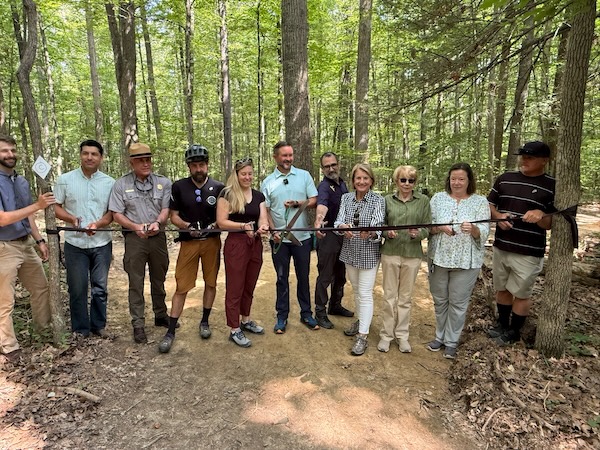
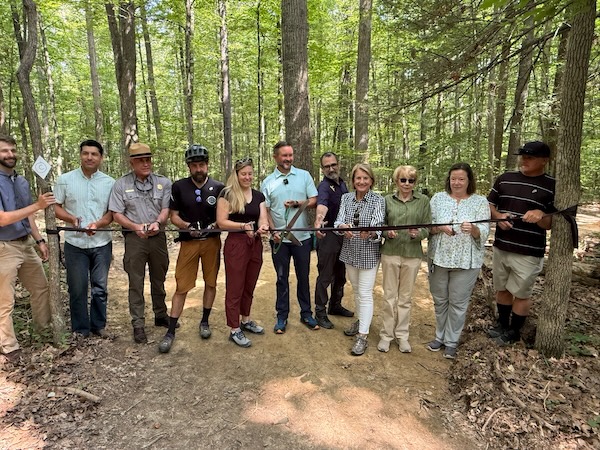
The inauguration of the Fayetteville Town Park Bike Skills Area marks not only a physical development within West Virginia’s picturesque landscape but also a significant milestone in how local communities and federal agencies can come together to create enjoyable public spaces. As an opinion editorial, I find myself both inspired and reflective about how projects like these refresh our communities and energize local pride. The recent ribbon-cutting event, attended by leaders such as U.S. Senator Shelley Moore Capito, signals a new era in outdoor recreation opportunities that blends historical charm with modern amenities, ensuring that people of all ages can find common ground in shared experiences.
For many residents and visitors alike, outdoor recreation is more than just an activity—it represents a bridge between our rich cultural heritage and the adventure that lies just outside our doorsteps. In Fayetteville, this bike skills area is a tangible reminder that good things happen when communities work together. The initiative was funded through federal support and local collaborations involving organizations like the New River Gorge Regional Development Authority (NRGRDA), the National Park Service, local governments, and West Virginia University’s Outdoor Economic Development Collaborative. Observing such a diverse group of entities cooperate to promote a healthy, active lifestyle is a refreshing example of unity in purpose.
Federal Support and Local Partnership: Making It Happen
One of the key takeaways from the project is the power of federal funding when teamed with local insight. Projects like these are often bogged down by tricky parts and tangled issues that can seem intimidating to the average citizen. However, by combining the resources provided by the U.S. Department of the Interior with the persistent drive of local leaders, Fayetteville has found a way to overcome these nerve-racking obstacles.
Local partners have been instrumental in bringing the vision to life. By pooling their insights and working side by side, representatives from the Town of Fayetteville, the City of Oak Hill, and various community organizations managed to figure a path through the maze of required permit applications, community input sessions, and the sometimes overwhelming steps of assembly and construction. The process wasn’t just about building a bike skills area; it was also a learning experience in managing your way through complicated pieces of bureaucracy and coordinating among multiple stakeholders.
Below is a bulleted list of some of the major benefits that emerged from this collaboration:
- Enhanced local recreation opportunities that promote a healthy, active lifestyle.
- A boost to the local economy by attracting visitors from across the region.
- The creation of a public space that encourages community engagement and pride.
- Support for tourism in a historically significant area, benefitting small businesses and local vendors.
- An example of how federal funding can be effectively steered through a network of dedicated local partners.
Investing in Community Spirit Through Outdoor Projects
There is something truly remarkable about outdoor recreational projects like the bike skills area in Fayetteville. They do more than just offer a space for exercise—they also serve as a catalyst for building stronger, more connected communities. Through events such as the ribbon-cutting ceremony, community members have come to celebrate not only the completion of a facility but also the commitment of leaders such as Senator Capito, who have been essential supporters of the New River Gorge National Park and Preserve.
Projects like this encourage us to dive in and appreciate the fine points of community collaboration. The subtle parts of these developments often go unnoticed, yet they play a critical role in enhancing both the visitor experience and the overall quality of life. When the NRGRDA Executive Director, Jina Belcher, expressed gratitude for the state’s support and the continuous federal backing, it was a clear signal that when leaders unite with the community, the results can be both innovative and enduring.
This sentiment is echoed by NRGRDA’s Andy Davis, who spoke about the collective effort in managing your way through the many twists and turns of multiple municipal projects. The sentiment was clear during the celebration: nothing is off-putting if you’re willing to take a closer look at the long-term benefits that such investments in public spaces yield. By ensuring that every community member has a stake in these projects, local leadership is nurturing a sense of pride and responsibility that is essential for ongoing civic development.
New River Gorge: A National Treasure and Its Impact on Local Recreation
There is a unique relationship between the New River Gorge National Park and Preserve and the outdoor projects in West Virginia. For decades, this beloved location has been heralded as one of West Virginia’s crown jewels, attracting tourists and nature enthusiasts from far and wide. Senator Capito’s longstanding support for the park highlights the importance of safeguarding such national treasures for the benefit of future generations.
In my view, the bike skills area is a brilliant, tangible example of how federal designations can be leveraged to bolster local development. By making the national park designation work in practical, everyday ways—for instance, by providing spaces for biking, hiking, and other outdoor activities—local communities are tapping into the immense potential that their natural surroundings offer.
Here are some key points regarding the impact of such projects on community life:
| Aspect | Impact |
|---|---|
| Tourism | Increased visitor numbers lead to economic benefits and job creation. |
| Community Health | Accessible outdoor areas promote physical exercise and mental well-being. |
| Civic Pride | Successful projects enhance community spirit and local identity. |
| Educational Opportunities | Residents and visitors alike can learn about local history and the environment. |
| Environmental Awareness | Recreational exposure encourages respect for nature and conservation practices. |
By looking at these indicators, one can appreciate how a single outdoor project triggers a domino effect of benefits. This is more than a simple ribbon-cutting exercise—it’s a declaration that West Virginia is serious about intertwining its natural splendor with progressive community planning.
Overcoming the Tricky Parts of Outdoor Recreation Development
While the outcome of the Fayetteville project has been nothing short of inspiring, the pathway to success was not entirely straightforward. Every public project has its share of tangled issues and nerve-racking segments—moments where the future may seem uncertain due to regulatory hurdles, funding uncertainties, or conflicting visions among stakeholders.
Yet, it is precisely during these challenging times that strong leadership becomes evident. Leaders like Senator Capito, along with local organizations and agencies, have shown that even the most intimidating obstacles can be overcome when there is a shared commitment to a common goal. It takes trust, perseverance, and the willingness to get into the fine points of each initiative in order to create something lasting and positive for everyone involved.
Many of those who witnessed the event could agree that with every twist and turn, a lesson was learned about the power of public cooperation. As community members, we are reminded that challenges might sometimes be overwhelming, but they are by no means insurmountable when approached with a spirit of collaboration and resilience.
The Role of Local Leadership in Enhancing Visitor Experience
Local leadership is essential in turning innovative ideas into practical realities. As the director of strategic redevelopment at NRGRDA, Andy Davis managed the integration of federal funds into projects that are now benefiting the citizens of Fayette County. His role, alongside the efforts of local officials, highlights how every individual in a community can contribute to large-scale improvements.
Local leaders understand that community projects hinge on the cooperation and shared vision of many parties. They have to steer through the many challenging parts of public policy and community expectations, which sometimes are riddled with tension or on edge due to competing interests. Yet, their dedication is visible in every new step taken at Fayetteville Town Park.
Moreover, local leadership in this instance has proved that smart decision-making, combined with a clear focus on enhancing user experience, can yield significant rewards. Whether it’s through creating accessible digital platforms for public feedback or organizing open community meetings, local leadership is continuously finding its way through the labyrinth of planning and execution to ensure that everybody benefits from these public investments.
Academic and Economic Benefits of Outdoor Recreation Projects
Another notable aspect of projects like the Fayetteville bike skills area is the economic and even academic ripple effects they generate. West Virginia University’s Outdoor Economic Development Collaborative has been a critical partner in channeling research and expertise into making these projects a success. Their involvement underscores the key role that academic institutions play in researching not only the environmental benefits of parks and recreational areas but also in examining how these amenities can contribute to local economies.
Partnerships with academic institutions provide a deeper insight into the subtle details of outdoor recreation development. These institutions help measure the economic boost that businesses in the vicinity receive—ranging from increased patronage at local diners and shops to higher demand for local accommodation and service industries. In tandem with economic analyses, educational programs are introduced, offering local residents insights into environmental stewardship and the history of the region.
To better illustrate this, consider the following bullet list that highlights the economic and academic benefits:
- Increased Tourism Revenue: More visitors mean higher revenue for local businesses.
- Job Creation: Development of outdoor facilities generates direct and indirect jobs.
- Academic Research: Partnerships create studies that can guide future projects.
- Community Workshops: Educational programs that foster local talent and environmental awareness.
- Enhanced Public Image: Successful projects elevate the status of the community both regionally and nationally.
Each of these benefits contributes to a cycle of positive growth, demonstrating that the impact of a well-planned outdoor project extends far beyond recreational use. It is a national example of how local partnerships, supported by federal funding, can lead to profound, wide-reaching benefits.
Suggestions for Future Projects: Learning from Fayetteville’s Experience
Reflecting on the Fayetteville initiative, it’s important to consider how future outdoor recreational projects might avoid some of the trickier parts of the planning process. Based on this project’s journey from conception to real-life enjoyment, several recommendations can be made:
- Streamlined Communication: Ensuring that all stakeholders—ranging from federal agencies to local community associations—have clear channels of communication can help avoid confusing bits and nerve-racking bureaucratic delays.
- Inclusive Planning: Active community involvement throughout every phase of planning encourages a broader range of ideas and helps to identify potential pitfalls early on, making it easier to work through the tangled issues.
- Collaborative Funding Models: By combining federal funds with local contributions and private investment, communities can spread out the financial risk and work on multiple projects simultaneously.
- Educating Community Leaders: Providing training on project management and public administration can empower more local figures to manage the subtle parts of these projects effectively.
- Long-Term Vision: Developing projects with a clear vision of long-term benefits can guide decision-making processes, especially during periods of uncertainty.
These recommendations stem from a deep dive into what worked well in Fayetteville, as well as identifying the tricky parts that could be improved in future endeavors. It is critical to appreciate that while every public project will come with its own set of burdens and moments of tension, a commitment to learning from experience can smooth out many of the bumps along the way.
Community Voices: How Locals Perceive the New Development
One of the most compelling aspects of the Fayetteville Town Park project is the enthusiastic response from local residents and outdoor enthusiasts. When the ribbon was cut, many voices in the community expressed optimism about the benefits that the new bike skills area would bring. In casual conversations, locals remarked on how the project has already started reinvigorating the spirit of outdoor recreation in the area.
Community feedback has been mixed with excitement and a little bit of skepticism—all of which is normal when tackling new developments. Some residents felt that while the project is indeed a great addition, there are still some confusing bits regarding how future maintenance and operational funding will be managed. Others lauded the initiative as a perfect example of how public spaces should be developed, noting that it sets a new standard for local outdoor facilities.
It’s clear through these community perspectives that transparent communication and ongoing support will be super important as the project matures. Engaging public forums, social media feedback, and community meetings can help keep residents informed of upcoming improvements or necessary adjustments. This ongoing dialogue not only supports a thriving community spirit but also encourages greater local ownership of public projects.
Evaluating the Impact on Local Health and Wellness
There is no doubt that initiatives like the Fayetteville bike skills area contribute significantly to the health and wellness of a community. In a time when sedentary lifestyles and technological distractions can lead to various health issues, having accessible outdoor recreation spaces is more essential than ever. Such projects encourage physical activity, reduce stress, and foster social interactions—each of which plays a pivotal role in community well-being.
By creating environments where families, friends, and individuals can enjoy nature, the project provides a safe haven for everyone looking to get away from the daily grind. The bike skills area is not just a recreational facility; it’s an open forum where physical fitness meets community bonding. As a member of the broader community, I find it heartening to see investments that directly impact our quality of life in such transformative ways.
To summarize, here are some of the health and wellness benefits associated with enhanced outdoor recreational facilities:
- Increased Physical Activity: Provides venues for exercise and sports that can lead to reduced health risks.
- Mental Health Benefits: Exposure to nature often has a calming effect and can reduce anxiety and depression.
- Social Connections: Public spaces foster community interactions, reducing feelings of isolation.
- Improved Air Quality: Proximity to green spaces is linked with better overall environmental conditions.
- Family Bonding: Shared outdoor experiences help strengthen family ties and community bonds.
Economic Opportunities Through Tourism and Recreation
Another important aspect to consider is the economic impetus that comes along with improved outdoor facilities. Fayetteville’s new bike skills area may well serve as a magnet for tourists, providing a welcome break for those seeking both adventure and relaxation. Increased tourism, in turn, can boost local businesses, restaurants, and shops, all of which benefit from a flourishing visitor culture.
Economic development through recreation is not a new concept. However, this project exemplifies how greater local cooperation—backed by federal support—can result in tangible economic outcomes. In many small towns, the tourism dollar makes the difference between stalling economic growth and vibrant local enterprise.
A table summarizing some key economic benefits looks like this:
| Economic Factor | Potential Outcome |
|---|---|
| Local Business Growth | More visitors can lead to higher sales at local eateries, retail shops, and service providers. |
| Job Creation | Enhanced recreational facilities can create new employment opportunities in tourism and hospitality. |
| Property Value Increase | Communities with attractive outdoor amenities typically experience a boost in property values. |
| Cultural Investments | Increased tourism revenue can support local cultural projects and community initiatives. |
| Long-Term Regional Growth | Sustained development in recreational infrastructure can drive long-term economic stability. |
As local tourism continues to rise, the benefits are sure to be observed in multiple sectors of the local economy. This symbiotic relationship between recreation and economic growth fuels a positive cycle that benefits both residents and visitors alike.
Challenges and Solutions: Working Through the Tangled Issues
No major community project is without its hurdles, and the Fayetteville initiative encountered a few nerve-racking moments along the way. Issues ranging from arranging federal funds to aligning the goals of multiple local agencies are all part of the tricky parts of large-scale projects. However, rather than letting these challenges overwhelm the process, the community has shown that with coordinated effort and persistent dedication, even the most tangled issues can be resolved.
Problems in such projects are often full of problems (miscommunications, delays, and conflicting visions) that, if left unaddressed, might slow down progress. Yet, every step taken to address these head-on was a step towards a more resilient and unified community framework. The experience taught local leaders new ways to take a closer look at the nitty-gritty details—be it improved communication channels, better project management strategies, or simply the willingness to discuss and adjust plans as needed.
Here are some common issues and the corresponding solutions observed during the Fayetteville project:
- Issue: Confusing bits in the permit and regulatory procedures.
Solution: Establish standardized communication protocols between local authorities and federal agencies to ensure every party is on the same page. - Issue: Overwhelming challenges in coordinating funding streams from multiple sources.
Solution: Create a unified funding plan that outlines responsibilities clearly and allocates resources based on priority projects. - Issue: Tangled issues regarding project oversight and accountability.
Solution: Form a dedicated oversight committee comprising representatives from all involved entities to monitor progress and streamline decision-making. - Issue: Nerve-racking public approval processes.
Solution: Host regular community meetings where the public can voice concerns and remain updated on project developments.
By learning from these experiences and preparing for similar future challenges, communities can make even more significant strides in creating sustainable, high-quality outdoor facilities.
The Broader Impact on Regional Identity
Projects like the Fayetteville bike skills area are not just physical structures or recreational spots. They play a critical role in shaping regional identity and building community pride. For many locals, the area provides a source of inspiration—a reminder that even in a time of rapid industrial and technological change, there remains a deep-seated value in our natural surroundings and in the spirit of community collaboration.
Community icons such as the New River Gorge National Park have long been celebrated, and new ventures like this bike skills area further enhance the area’s reputation as a destination for outdoor enthusiasts. By showcasing what local leadership, federal support, and community engagement can achieve, these projects help to foster a sense of belonging and pride among residents, which in turn reinforces the region’s identity on a broader scale.
Moreover, these facilities encourage people from neighboring regions and states to visit, experience, and ultimately appreciate the unique blend of history, natural beauty, and proactive community spirit that defines West Virginia. The cumulative result is a region that is increasingly recognized as vital not only for its natural resources but also for its commitment to sustainable growth and community-driven initiatives.
Reflections on the Future of Outdoor Recreation in West Virginia
As we look to the future, the Fayetteville Town Park bike skills area and similar projects are exciting signs of potential growth in outdoor recreation that can serve as blueprints for other communities. West Virginia is blessed with a landscape that is both majestic and full of opportunity. With proper leadership, transparent communication, and a willingness to learn from past experiences, similar projects could spread throughout the state—each offering its own distinct spin on community recreation and economic development.
The challenges that have come with these projects are merely the early tricky parts of what can become long-term success stories. As local leaders continue to manage your way through the little twists of bureaucracy, more communities will likely see the benefits of collaborative projects. Whether it’s improving public health, enhancing regional tourism, or instilling a stronger sense of communal pride, the progress made in Fayetteville represents a promising direction for West Virginia’s future.
One key lesson to take away is that the best results often come when decision-makers and community members alike are willing to roll up their sleeves and get into the nitty-gritty details together. While the path may at times appear intimidating or overwhelming, every successful project reinforces the idea that progress is built on the cooperative spirit of local initiatives combined with supportive federal partnerships.
Conclusion: Celebrating a Shared Vision of Community and Sustainability
In conclusion, the opening of the Fayetteville Town Park Bike Skills Area is a stellar example of how a community can create positive change by joining forces with various agencies and leveraging federal funding to build something genuinely beneficial. It is a project that transcends simple recreation and taps into the core values of community, resilience, and sustainable growth. The event, marked by a festive ribbon-cutting and uplifting speeches from leaders such as Senator Capito, stands as a testament to what happens when multiple stakeholders, from state officials to local residents, come together with a shared vision.
Despite the challenging parts and the occasional nerve-racking moments, the outcome is a tangible, inviting space that underscores the importance of focusing on high-quality outdoor amenities. These projects, though sometimes loaded with issues and on edge, have the power to transform communities economically, socially, and culturally. They help redefine what it means to invest in our natural treasures, ensuring that future generations can enjoy a blend of adventurous recreation and civic pride.
As a member of the broader community, I encourage other regions to take a closer look at Fayetteville’s success story. Let us learn from their experience, figure a path through our own tangled issues, and work collectively to create areas where every twist and turn leads us closer to a brighter, more sustainable future—a future where outdoor recreation and community spirit go hand in hand.
Ultimately, this is more than just a story about a bike skills area. It is about the determination of local leaders to overcome overwhelming challenges and the joint commitment of a community to celebrate and nurture its natural surroundings. It is a reminder that the true measure of success lies in creating spaces that benefit everyone while reinforcing our shared values of cooperation, sustainability, and healthy living.
By embracing the subtle details that make our projects special and acknowledging that every project will have its tricky parts, we can continue moving forward and building communities that are strong, vibrant, and ready for the future. The Fayetteville initiative is a shining example of how out-of-the-box thinking, combined with strategic partnerships, can pave the way for innovation in outdoor recreation. This development won’t just be a fleeting moment of celebration—it is a foundation for future progress, a model for prosperity, and a beacon that symbolizes the best of what West Virginia has to offer.
While challenges remain and there will inevitably be additional hurdles to work through in the years to come, the spirit of collaboration and trust evident in this project sends a clear message: together, we can turn even the most intimidating tasks into opportunities for lasting community enrichment. Let us continue to support such endeavors, celebrate the progress we’ve made, and look forward to a time when every corner of our state flourishes under the combined effort of dedicated leadership and a united community.
In this ever-evolving world, the success of projects like Fayetteville’s bike skills area serves as a timely reminder: progress is possible when smart planning, relentless community drive, and supportive federal involvement come together. As we celebrate today’s success, we also set the stage for tomorrow’s adventures—a heartfelt reminder that our shared journey toward greater community integration and outdoor enjoyment has only just begun.
Originally Post From https://wvdn.com/168194/
Read more about this topic at
A Complete Guide of Outdoor Holidays
Great Outdoors Month