
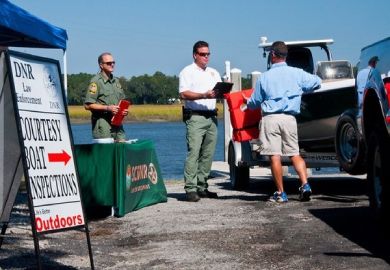
Public Boat Inspections: A Courtesy Service and a Community Benefit
The South Carolina Department of Natural Resources (SCDNR) has once again stepped in to help maintain safe and proper boating practices during one of the busiest boating periods of the year – the Fourth of July weekend. With public boat landings in the Beaufort area being prime launch spots for local and out-of-town boaters, this initiative not only aims to ensure compliance but also offers an educational moment for everyone who loves the water. In this opinion editorial, we will explore the various facets of these courtesy inspections and how they contribute to our community’s overall boating safety. We’ll examine the process, discuss the common challenges boaters face, and share insider tips to keep you safe on South Carolina’s waterways.
While it might seem like a basic safety check, these inspections hold deeper meaning. They represent a community effort to safeguard lives, protect property, and promote a culture of responsibility on the water. By offering a chance to remedy tangled issues before they transform into full-blown problems, the SCDNR is providing boaters with a second chance to get everything sorted, all without the worry of speeding into ticket fines.
Understanding the Courtesy Inspections: How They Work
The SCDNR Law Enforcement Division has arranged for two stops over the weekend – one at Battery Creek Boat Landing on Friday, July 4 from 9 to 11 a.m., and another at Lemon Island Boat Ramp on Sunday, July 6, also from 9 to 11 a.m. During these times, officers will perform quick yet thorough reviews of each vessel’s required safety equipment, as well as confirm that boat and motor registrations are in order.
This approach mixes precaution with education. Instead of penalizing boaters immediately for missing or improper equipment, these friendly inspections offer a chance to correct the issues on the spot. This proactive method not only helps to alleviate the nerve-racking situation that often accompanies a ticket but also inspires confidence and cooperation among boaters.
Benefits of Courtesy Inspections for Boating Communities
Courtesy boat inspections are more than just a ticket avoidance strategy; they serve as a key preventive measure. Let’s take a closer look at some benefits:
- Education and Guidance: Officers provide useful advice on maintaining safety equipment and share hints for safe boat operation. This is particularly important for new boaters who may find some aspects of boating a bit intimidating.
- Reduced Risk: By identifying and addressing small issues early on, boaters can avoid accidents that might result from missing or malfunctioning equipment. These humble checks help prevent potentially severe incidents on the water.
- Community Engagement: These stops encourage dialogue between the authorities and boaters. Open conversations help demystify the regulations, ensuring people understand the reasoning behind safety measures.
- Preventing Escalation: With inspections turning over potential issues rather than immediately issuing fines, boaters are encouraged to fix tricky parts without the constant worry of penalty repercussions.
In essence, these courtesy inspections embody a community-style intervention that helps all of us enjoy a safer boating season. It’s a shining example of how local government can work collaboratively with community members to ensure a smoother and safer experience on the water.
Preparing for Your Inspection: Practical Tips for Boaters
One of the best ways to take advantage of these free inspections is to prepare in advance. Here are some practical tips to help you get ready:
- Review Equipment Lists: Take a moment to check the state-mandated list of safety equipment for boats. Items such as life jackets, fire extinguishers, and distress signals must be up to date and easily accessible.
- Verify Your Registrations: Ensure that your boat, motor, and any associated equipment are properly registered. Make sure your registration documents are available and current.
- Ask Questions: Don’t hesitate to inquire about any confusing bits regarding boat safety or registration laws when you meet the SCDNR officers. Their insights on the fine points of local regulations could save you from potential issues later on.
- Plan Ahead: Choose a landing spot where you can easily access the inspection service. Familiarize yourself with both Battery Creek Boat Landing and Lemon Island Boat Ramp if you plan to launch during the holiday weekend.
Being proactive about safety means you are not only ensuring your own enjoyment on the water, but also contributing to a community culture where safe practices are the norm. It goes a long way when everyone does their part to keep our lakes and waterways secure.
Steering Through the Rules: Overcoming Common Registration and Safety Challenges
Every boater eventually encounters those nerve-racking moments when they question if everything is in order. The process can appear intimidating, filled with complicated pieces and some tangled issues. However, working through these challenges by paying attention to the simple details can prevent more significant complications at sea.
Let’s highlight a few common problems and how to sort them out:
Ensuring Complete Safety Equipment
Many boaters might overlook the simple check of ensuring their safety equipment isn’t just on board, but also operational. Here are some critical tips on how to verify this:
- Regular Checks: Schedule monthly checks of all safety gear. Life jackets, flares, and fire extinguishers should be inspected for any wear and tear, and replaced if necessary.
- Proper Storage: Store equipment in easily accessible locations where it is less likely to be forgotten or damaged. Security means you can get your gear quickly if needed.
- Local Regulations: Stay updated with current SCDNR safety requirements. Regulations can change periodically, so it’s super important to be well informed.
This proactive maintenance can help prevent on-the-water surprises and give you peace of mind during your boating adventures.
Registration and Documentation: Avoiding Overlooked Details
Another potential pitfall is the proper handling of boat registration documentation. Many boaters have faced complicated issues stemming from outdated or incomplete paperwork. To make your way through these requirements, consider these steps:
- Keep Documents Handy: Always store your registration, license, and any related documents in waterproof compartments on your boat.
- Digital Backup: Consider keeping a digital copy of key documents on your mobile device. This extra measure ensures you’re prepared even in an emergency.
- Timely Renewal: Mark renewal dates on your calendar and set reminders to avoid any last-minute rushes that can lead to errors.
By taking the time to review and update your documentation, you’ll find it much easier to steer through the small twists and turns of regulatory compliance. The benefit is a smoother experience at the dock and peace of mind before setting sail on the open water.
Interactions on the Water: Making the Most of Your Check-Up Experience
The temporary nature of these inspections – a brief window over the Fourth of July weekend – offers a unique opportunity for dialogue between boaters and the law enforcement officers conducting the checks. Here, we explore why this dialogue is both refreshing and essential.
Instead of the usual fears associated with stringent law enforcement procedures, these courtesy sessions emphasize supportive engagement. Officers aren’t there to overwhelm you with fines but to help you correct any glaring oversights that might affect your safety. This face-to-face interaction can demystify the process of keeping your vessel safe and compliant.
Many boaters have found that speaking directly with knowledgeable officers provides them with great insights into best practices. Whether it’s a nuanced explanation of why a particular piece of equipment matters or a simple tip on how to better secure your registrations, these chats go beyond the mere checking of boxes. They help foster a more informed boating community, where each member is empowered to uphold high safety standards.
Educational Outreach: How the SCDNR is Leading the Charge
Beyond the immediate benefit of avoiding a ticket, the SCDNR’s outreach program is a robust platform for effective safety education. These sessions are designed to dig into the finer details of boating safety in a way that is both approachable and thorough.
Some of the educational initiatives include:
- Workshops: Offered frequently throughout the season, these workshops cover everything from basic safety tips to more advanced rescue methods.
- Online Resources: The SCDNR website hosts comprehensive boating safety guidelines, local boating regulations, and even free float plan forms that boaters can download before departing.
- Community Seminars: In various communities across South Carolina, seminars are organized to encourage best practices. These sessions are a fantastic realm to ask direct questions and get immediate answers from experts.
These educational projects are critical. They serve as a reminder that while the water may seem serene, there are many subtle details and hidden complexities that could lead to unexpected mishaps if not addressed properly. A well-informed boater is invariably a safer boater, and the SCDNR is taking the wheel to facilitate that knowledge transfer.
Preventing Accidents: The Broader Importance of Safety Compliance
One interesting aspect of these courtesy boat inspections is how they integrate into the broader field of accident prevention. By ensuring that each vessel is properly equipped and all registrations are up to date, a seemingly small inspection becomes an essential line of defense against hectic, accident-prone scenarios.
Consider the following points when understanding the broader context:
- Reduction in On-Water Emergencies: Boats that comply with safety regulations are less likely to encounter crises such as equipment failures or registration issues in the heat of a critical moment.
- Streamlined Response Times: In emergencies, first responders benefit greatly when every boat on the water meets safety standards. This can often mean the difference between a minor incident and a full-blown emergency.
- Community Trust and Cooperative Spirit: When local authorities work transparently with boaters, there’s a mutual trust that builds over time. This shared understanding helps in creating community resilience against unforeseen events.
These safety measures signify that the act of following rules is not about bureaucracy; instead, it is a key measure that underscores the pervasive value of a responsive and prepared community. The simple act of having a free inspection goes a long way toward preventing hindered navigation through potential waterway mishaps.
Building a Culture of Safety: Collective Responsibilities and Local Pride
Inspecting and ensuring that every boat meets minimal safety standards is a shared community endeavor. It requires both the cooperation of law enforcement and the proactive participation of every boater. Let’s examine how this culture of safety benefits everyone involved:
- Enhanced Local Pride: Communities that take pride in their tradition of safe boating practices tend to attract more visitors and generate positive word of mouth. The safety of our waterways becomes a hallmark of regional reputation.
- Empowerment Through Information: When local officials offer their expertise without immediately resorting to punitive measures, it empowers residents to make informed decisions and appreciate the small, effective measures that ensure general well-being.
- Mutual Accountability: With free inspections, boaters understand that they are part of a larger system where everyone is accountable for maintaining safe practices. This cooperative approach reduces the nerve-racking sensation of being singled out for punitive action.
This community-based care reflects the idea that regulation need not be seen as an irritant. Instead, it should be recognized as an essential ingredient in the recipe for safe, enjoyable recreation. The notion that safety is a shared benefit is what makes initiatives like these truly special.
A Closer Look at the Role of Local Law Enforcement
Local law enforcement officers conducting these checks are not just enforcers of the rules – they are also ambassadors of goodwill and guidance. Their daily interactions with boaters are filled with small twists that often lead to better practices and help bring clarity to what can otherwise be an intimidating world of regulations.
Some key roles these officers fulfill include:
- Advisory Function: They are a powerful resource for answering questions about the tricky parts of regulations and safety requirements.
- Reassurance Agents: By offering courtesy inspections before any penalties are issued, they help calm fears and reduce feelings of being overwhelmed by the bureaucratic process.
- Safety Ambassadors: They actively promote best practices and share their personal experiences dealing with on-water hazards, thereby fortifying a culture of mutual respect and caution.
Their involvement is pivotal in ensuring that inspections do not carry the stigma of punishment, but rather are viewed as an invitation for dialogue and improvement. This transformation in perception helps foster an environment where every boat operator actively participates in making the waterways safer for everyone.
Handy Resources: Navigating Additional Boating Safety Tools
Beyond the immediate courtesy inspections during the holiday weekend, numerous resources are available to help boaters take their safety measures a step further. Whether you’re a seasoned mariner or a novice looking to get into the boating scene, tapping into these resources can be immensely helpful.
Some useful resources include:
| Resource | Description | Access Information |
|---|---|---|
| SCDNR Boating Safety Office | Provides guidelines, free float plan forms, and safety course schedules. | Call 1-800-277-4301 or visit their website |
| Online Boating Regulations | Detailed information on current state regulations for all boaters. | http://www.dnr.sc.gov/education/boated.html |
| Local Boating Seminars | Face-to-face sessions offering practical safety tips and Q&A opportunities. | Check local community bulletins or the SCDNR webpage |
For those looking to steer through extra layers of information, these resources provide essential details and practical advice. They ensure that every boater has the opportunity to brush up on their safety knowledge before embarking on a potentially nerve-wracking journey.
The Road Ahead: Building Trends for Boating Safety in South Carolina
As boating continues to grow in popularity, especially during peak times like the Fourth of July weekend, the foundational role of courtesy inspections cannot be overstated. These brief encounters have the potential to transform how boaters relate to safety regulations, turning what many see as a burdensome duty into an essential, even enjoyable, part of the boating experience.
Looking onward, several trends hint at a future where community-led initiatives and technology integrate even more seamlessly. For example:
- Real-Time Reporting: With advancements in communication technology, boaters might soon have apps that let them report safety issues or get real-time updates on local weather and water conditions.
- Enhanced Data Systems: The SCDNR’s evolving digital infrastructure can lead to more personalized safety advice and reminders about equipment checks and registration renewals.
- Greater Community Involvement: As local communities continue to demand high standards of public safety, partnerships between local clubs and enforcement agencies can bring about peer-led safety checks and shared best practices.
These new tools and trends are designed to make it easier for everyone to get around the slight differences in boat safety protocols. Through collaborative efforts, boaters can learn from the experiences of others and ensure that every outing on the water is as safe and enjoyable as possible.
Final Thoughts: Embracing a Culture of Safety and Community
In many ways, the free, courtesy boat inspections offered by the SCDNR serve as a microcosm of a larger movement toward proactive safety measures. They remind us that even in moments packed with holiday excitement, there is always room to check the little details that keep our recreational pursuits safe and sound.
This initiative is a timely reminder that every boater is a vital part of a larger community, and that responsible practices ultimately benefit everyone. Whether you’re a local who regularly enjoys the calm of our lakes or an enthusiastic visitor ready to explore South Carolina’s waterways, keeping safety at the forefront is a responsibility we all share.
By taking extra steps to figure a path through the sometimes overwhelming but necessary rules of boating safety, you not only avoid potential fines – you embrace a culture that values life, community, and the joy of outdoor recreation. Next time you’re preparing for a fun-filled day out on the water, consider the benefits of a courtesy check. Approach it as an opportunity to learn, ask questions, and fine-tune your safety measures. With a little preparation and a friendly word with the officers, you’ll not only keep yourself out of trouble but also contribute to a safer, more responsible boating community.
Community Involvement and Insurance of Boater Responsibility
It is clear that local communities across South Carolina are increasingly aware of the importance of safe boating. Citizens regularly value these courtesy inspections as they offer both immediate, tangible benefits during the holiday season and spark longer discussions about safe practices throughout the year.
Over time, this momentum builds into a robust framework of shared responsibility. By participating in these free services, boaters not only ensure their own safety but also help create an environment where everyone respects the small twists and turns of the rules. In return, communities see fewer accidents, lower insurance claims, and a more vibrant atmosphere that welcomes responsible recreation.
It is through such initiatives that we begin to see boating transform from an act of mere leisure into a cooperative effort in which every person, from the casual weekend boater to the experienced mariner, plays an integral role in building a secure future on our waters.
Conclusion: A Toast to Safe Boating and Community Collaboration
As the Fourth of July approaches and the anticipation for another memorable boating weekend builds, it is my hope that every boater takes the time to appreciate and take advantage of these courtesy inspections. By addressing the tangled issues of equipment and documentation head-on, we not only avoid immediate penalties but also set the stage for safer, more enjoyable excursions on South Carolina’s pristine waterways.
Remember, safety is not just an obligation – it is a community endeavor, a shared appreciation for life, and a testament to how local government and citizens can work in tandem. Every inspection, every conversation with a dedicated law enforcement officer, and every update on your vessel’s safety checklist is a small but essential victory in the ongoing effort to keep our recreational waters secure and enjoyable for everyone.
So, whether you plan on launching your boat at Battery Creek or Lemon Island this holiday weekend, take a moment to check your gear, verify your paperwork, and embrace the opportunity for a friendly word of advice. In doing so, you help ensure that every boating trip is as safe, smooth, and memorable as it can be. Here’s to safe boating, community cooperation, and a celebration of the great outdoors!
Originally Post From https://yourislandnews.com/scdnr-performing-courtesy-boat-inspections-over-july-4-weekend/
Read more about this topic at
Watercraft Inspection Steward Program
Boater Safety Tips & Pre-Departure Checklist