Luxury Developments in Southern Utah: Changing Skylines in Kanab
The desert town of Kanab, Utah, has long been known as a gateway to stunning natural wonders, but recent luxury developments are reshaping its landscape. As luxury developers turn their attention to this small community nestled near Zion National Park, the town is experiencing a boom in upscale housing projects and lavish resorts that promise to redefine its identity.
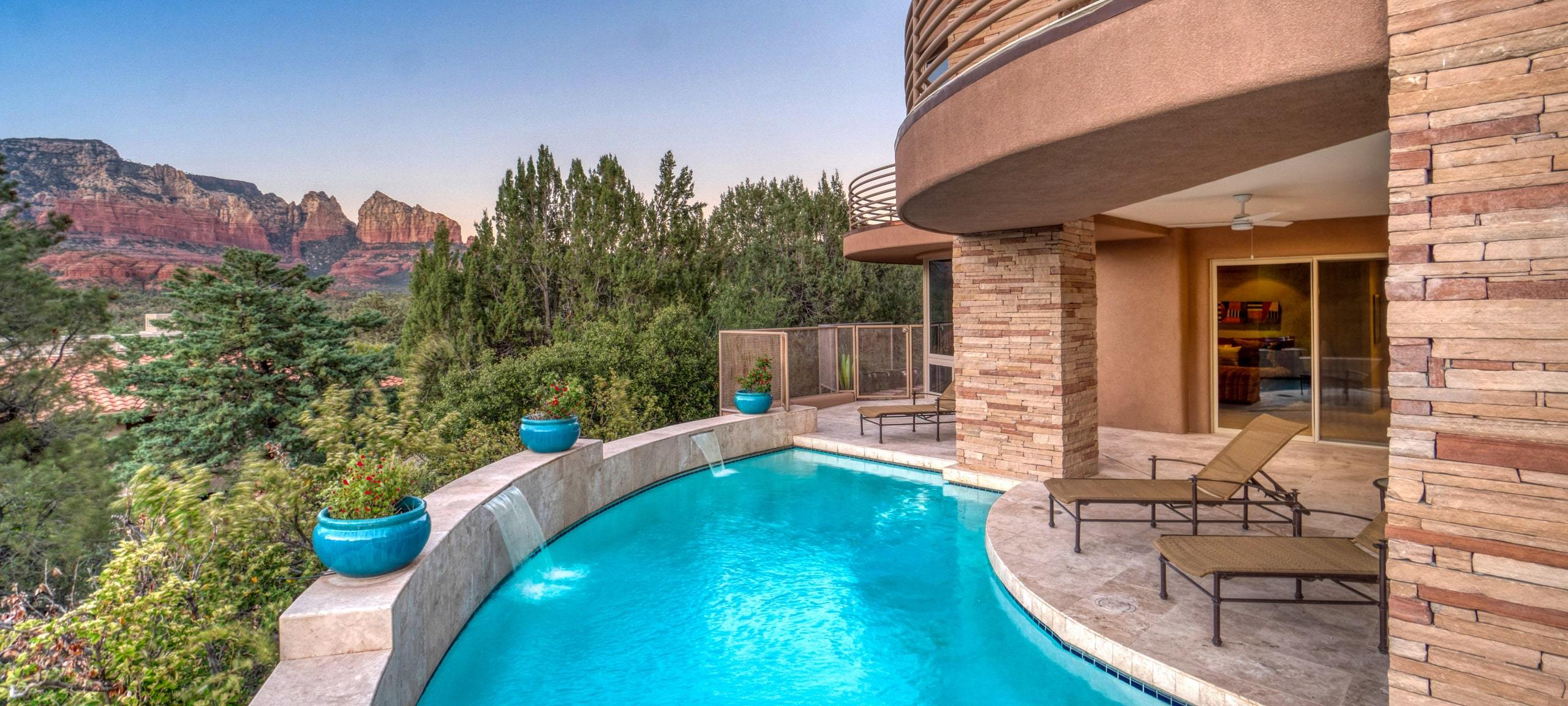
Kanab, home to roughly 5,000 residents, has become the focus of multiple ambitious developments. Plans for projects like Catori Canyon – a premium housing development and luxury gated community – as well as the expansive Ventana Resort, are underway. Notably, Ventana Resort is designed to mix a variety of housing options ranging from townhomes and affordable housing to upscale single-family homes and even a hotel, all built on former state trust land.
Local residents and community advocates are now faced with a series of tricky parts and tangled issues. The sudden influx of high-end development in a town unaccustomed to such rapid transformation raises questions about water resource management, local culture, and the overall sustainability of growth. Amidst these developments is also the controversial Willow Reserve Estates, a huge subdivision that took the bold step of incorporating as its own municipality against the wishes of Kane County. Then there is Kaia, an ultra-luxury investment opportunity that connects foreign investment with pathways to permanent U.S. residency in exchange for purchasing million-dollar homes.
Groundwater Woes and the Ties to the Colorado River System
One of the most intimidating aspects of this development surge is the strain these projects could put on local water resources. Kanab currently relies on several groundwater wells and springs to serve its modest population. However, developers propose tapping into the same groundwater sources, which are tightly connected to the larger and already overtaxed Colorado River system.
This interconnectedness means that drawing more water could indirectly diminish the flow of the Colorado River – a vital resource not just for Kanab but for the entire region. As water becomes a scarcer commodity, the subtle parts of water rights, resource allocation, and environmental stewardship come into sharper focus. The reality is that sustainable development must carefully balance growth with the finite nature of water supplies, and here are several key aspects to consider:
- Groundwater recharge rates versus consumption levels
- Potential impacts on downstream water users
- Long-term effects on regional ecosystems
- Legal frameworks governing water rights
For local residents, these issues represent fine points that can make the difference between keeping a cherished environment intact or exhausting a resource that is absolutely essential for future generations.
Understaffed National Parks: A Crisis in Public Land Management
The challenges facing Kanab are echoed on a national level as our public lands grapple with their own difficulties. A recent report from the National Parks Conservation Association reveals that staffing at National Parks has decreased dramatically – by 24 percent since January. Nearly 4,000 staff positions have vanished due to terminations, pressured buyouts, deferred resignations, and early retirement incentives.
This reduction in staffing comes at a time when visitation records are being shattered by a surge of outdoor enthusiasts. As parks deal with overwhelming numbers of visitors, the lack of critical staff hampers the ability to maintain these treasured lands, ensure visitor safety, and curb the negative impacts of overuse. With over 100 superintendent roles remaining unfilled and a hiring freeze still in effect, park maintenance, conservation efforts, and emergency response capabilities face severe challenges.
For many, this situation is a stark reminder that maintaining public lands is as much about managing human resources as it is about preserving natural beauty. Without adequate staffing, even the most stunning landscapes can become difficult to enjoy fully, as the responsibilities of park care get distributed too thinly among the remaining staff.
Federal Policies and Public Lands: A Political Tug-of-War
The debate over public lands is as tension-filled as ever, with the Trump administration’s draft strategic plan drawing significant criticism for its focus on oil, gas, and coal production. Critics argue that the plan reads like an industry wish list that prioritizes resource extraction over long-term conservation and public access to cherished natural spaces.
This plan, aiming to “restore American prosperity,” is viewed by many as a risky gamble that could lead to privatization and reduced protections for our national treasures. The current political landscape is riddled with tensions between those who support a free-market approach to natural resources and those who staunchly advocate for the conservation of public lands for future generations.
As administrators push ahead with policies that may lead to mass firings within the National Park Service, concerns are mounting. Critics assert that reducing staffing levels and promoting extensive resource extraction leave public lands vulnerable to degradation and neglect. This glaring conflict of interests embodies the intricate challenges of managing public lands while balancing economic growth, local needs, and conservation goals.
Conservationism Amid the Expansion of Luxury Developments
The expansion of luxurious developments in rural and historically modest communities like Kanab brings with it both promise and peril. On one hand, these projects can lead to economic development and increased job opportunities. On the other, they impose significant environmental and social challenges.
Critics of these upscale developments point to a host of problems. For many, the sudden focus on luxury real estate and upscale resorts represents an unwelcome intrusion into rural life. Concerns include:
- The potential for increased traffic and strain on local infrastructure
- The possibility of culture clashes between longtime residents and transient high-end buyers
- Environmental impacts, including pressure on water resources and local ecosystems
- The risk of displacing existing communities and altering the social fabric of small towns
These issues are not merely abstract – they have tangible effects on the daily lives of local inhabitants. The very character of a town like Kanab can be transformed by the influx of transient luxury developments, leaving behind a landscape that, while more prosperous on paper, might lose the authenticity that made it special in the first place.
Managing Development and Water Resources: The Fine Balances to Strike
The clash between development ambitions and water preservation is one of the most complicated pieces of the modern American West puzzle. As groundwater becomes an increasingly critical resource, both developers and local governments are forced to consider the long-term consequences of their actions.
Water resource management is a multi-layered challenge involving environmental scientists, policymakers, and local stakeholders. In the case of Kanab, tapping into groundwater for luxury developments could have far-reaching consequences that extend well beyond the town’s borders. To truly sustain such growth, it is essential to implement measures that might include:
| Action | Potential Impact |
|---|---|
| Enhanced water monitoring | Better understanding of groundwater levels |
| Strict usage quotas | Prevention of over-extraction |
| Investment in water reuse technologies | Reduction of overall water demand |
| Community stakeholder engagement | Ensuring that local needs are prioritized |
Each of these actions represents the kind of careful consideration required when addressing the hidden complexities of water resource management in an area that is already operating on finite supplies.
Public Lands and Outdoor Recreation: Keeping the Experience Intact
One of the enduring appeals of public lands is the opportunity to enjoy nature in its most pristine form. Whether it’s camping beneath a canopy of stars, exploring rugged trails, or simply taking in the vast desert horizons, public lands offer experiences that resonate deeply with outdoor enthusiasts. However, these natural assets are now under threat from multiple directions.
High visitation rates, coupled with understaffed parks, mean that the responsibility of protecting the land while ensuring visitors have a quality experience has never been more challenging. The current staffing issues are compromising the level of attention that each park can devote, which can lead to neglect of key areas and a reduced ability to manage the more nerve-racking moments of overcrowding and misuse.
To address these problems and safeguard the public lands experience, it’s critical that we work through and sort out measures such as:
- Improved visitor management systems
- Innovative digital platforms for real-time updates
- Volunteer programs that bring communities closer to park stewardship
- Enhanced ranger training focusing on emergency and crowd management
These steps are not solutions by themselves, but they are super important building blocks for making sure that future generations can continue to enjoy the natural wonders of our public lands.
Striking the Balance Between Growth and Preservation in Remote Communities
Small towns like Kanab are confronting a unique set of challenges as they try to reconcile rapid, luxury-driven growth with their historical heritage and environmental responsibilities. In many cases, these developments bring economic benefits, but not without significant trade-offs.
On one side of the coin, luxury developments have the potential to stimulate the local economy, create jobs, and bring new business opportunities to an area that might otherwise struggle with stagnation. On the flip side, rapid development can disrupt the established way of life, increase the strain on local resources, and compromise the natural beauty that originally drew people to these places.
This balancing act brings to light several important considerations:
- Maintaining affordable housing options for long-term residents
- Ensuring that infrastructure improvements keep pace with development
- Preserving the cultural and environmental heritage of the area
- Addressing the possible negative externalities such as increased pollution and overuse of water resources
These are not merely theoretical debates; they are the little twists that define how a community thrives or struggles in the wake of transformation. City planners, developers, and local authorities must find a way to figure a path that accommodates both progress and preservation.
Economic Booms Versus Environmental Sustainability: A Closer Look
In recent years, the American West has become a battleground where economic development ambitions frequently clash with environmental concerns. The planned luxury projects in Kanab are a microcosm of this larger struggle. The promise of booming real estate markets and additional revenue streams must be weighed against the potentially overwhelming environmental costs.
Critics contend that while economic growth is appealing, it should not come at the expense of natural heritage and long-term ecological health. Several points of contention arise from this debate:
- The impact of construction on soil erosion and desert habitats
- The potential for increased vehicle emissions from new developments
- The disruption of local wildlife patterns due to urban expansion
- The debate over water rights and the sustainability of groundwater withdrawals
Stakeholders on both sides of the spectrum need to engage in candid discussions and work together on solutions that address these confusing bits while ensuring that the region’s natural assets are not sacrificed for short-term economic gains.
Balancing Energy Production and Public Land Preservation
Another layer to this intricate story is the ongoing debate over energy production on public lands. Recent policy documents, including those drafted during the previous administration, have proposed opening new lands to oil, gas, and coal extraction. This approach is viewed by many as prioritizing short-term economic prosperity over the long-term health of public lands.
The idea is to boost economic activity by tapping into previously protected lands. However, such initiatives carry the risk of irreversible changes to landscapes that have been cherished for their natural beauty and recreational value. The debate is rife with tricky parts, including:
- Assessing the environmental repercussions of extraction activities
- Ensuring that local communities have their voices heard in policy decisions
- Considering how increased industrial activity could hamper outdoor recreation and tourism
- Reconciling differing viewpoints among conservationists, industry stakeholders, and policymakers
This tug-of-war between energy needs and environmental preservation is emblematic of the broader challenges facing many parts of the American West today. It’s a debate where every decision echoes through not only the legislative halls but also in the silent expanses of our national parks.
Public Sentiment and the Call for a Conservation-Conscious Future
Alongside these complex policy debates, there is a clear and growing sentiment among the public that our natural landscapes deserve robust protection. Outdoor enthusiasts, conservation groups, local residents, and even some business leaders are increasingly advocating for measures that protect public lands while still allowing for prudent development.
Across various platforms, voices have risen in protest against policies that might lead to the privatization or significant underfunding of our national treasures. Public opinion tends to favor balanced solutions where economic development does not undermine the quality of life or the health of natural ecosystems. One key figure summed up the collective concern when noting that if we discard the science behind our environmental challenges, we can’t simply expect the problems to vanish.
This call to action highlights a series of subtle details that can often be overlooked when economic incentives steer public policy. It urges decision-makers to consider not only the immediate benefits of development but also the long-lasting effects on nature and community. Some of the issues at stake include:
- The preservation of biodiversity in untouched environments
- Ensuring that future generations have access to clean water and pristine landscapes
- Protecting public lands from exploitation by vested interests
- Maintaining the integrity of recreational sites that serve as natural sanctuaries for millions
The challenge, then, is clear: we must work together to figure a path that harmonizes economic growth with the enduring need to preserve our wilderness and natural beauty.
The Role of Local Communities in Shaping Policy
Small communities like Kanab have a unique vantage point in this debate. Their firsthand experiences with rapid development and shifting local economies provide them with critical insights into both the benefits and the burdens of progress. Local leaders, residents, and activists are increasingly active in demanding transparency and accountability from developers and policymakers alike.
Community meetings, town halls, and public forums have become the places where the debated future of Kanab is being mapped out. Often, these gatherings illuminate the fine shades in public sentiment about development. Key issues raised by local voices include:
- The need for a balanced development strategy that integrates growth with heritage preservation
- More robust local oversight on water resource management practices
- Inclusive planning processes that give traditional residents a stake in future developments
- Revamping local infrastructure before large-scale projects begin
These meetings serve as a reminder that while high-level policy debates shape much of the national conversation, the real, everyday impacts are felt by those on the ground. Their experiences and opinions are essential in teasing apart the complicated pieces of this puzzle and ensuring that planning efforts address both economic aspirations and environmental responsibilities.
Opportunities for Sustainable Development in the West
Despite the challenges, there lies an opportunity to pioneer sustainable development models right here in the American West. The conversation is gradually shifting from a zero-sum game between development and conservation to one where both elements can coexist harmoniously. Innovative models and forward-thinking approaches are emerging, which might include:
- Green building practices that minimize energy usage and environmental impact
- Integrated planning that bundles infrastructure improvements with community needs
- Partnerships between public agencies, private developers, and local residents
- Investment in renewable energy within new developments to reduce the overall carbon footprint
These approaches are designed to address some of the hidden complexities that have long plagued the balance between modernization and environmental care. By taking a closer look at case studies from other parts of the country, stakeholders can adopt best practices and tailor them to the unique challenges of regions like Kanab.
The notion of sustainable development is more than just a buzzword; it represents a critical shift in thinking — one that acknowledges the need to protect and nurture the natural resources that have shaped the cultural and physical landscape of the West for centuries. It’s about making choices that benefit not only today’s economy but also the long-term well-being of communities and ecosystems alike.
Looking Ahead: Policies, Protests, and a Shared Vision
As we look ahead, it is clear that the conversation around public lands and luxury development will continue to evolve. On one side, we have the rallying cries for further economic development, promising jobs and prosperity through the exploitation of natural resources. On the other, there is a resounding call for the preservation of those same lands for their inherent, immeasurable value to society.
This debate is characterized by many nerve-racking choices and small distinctions that can dramatically shape our future. Both proponents and opponents of rapid development are working through these twists and turns, trying to strike a balance that does not compromise one goal for the other. Some key points for the future include:
- Maintaining an open dialogue between policymakers, developers, and local communities
- Ensuring that science and environmental data guide decisions rather than short-term profit motives
- Investing in public lands staffing and visitor management to preserve the visitor experience
- Developing a consensus-based approach that honors the unique character of regions like southern Utah
Pressure groups and conservation organizations are increasingly vocal about the need to protect public lands from aggressive development strategies that might undermine their long-term integrity. These groups argue that sustainable policies must be built on a foundation of respect for nature, cultural heritage, and the needs of local communities.
Innovative Ideas for Bridging the Development Divide
One promising avenue for bridging the gap between luxurious development and environmental preservation is the pursuit of innovative technological solutions. These may include:
| Innovation | Potential Benefit |
|---|---|
| Smart water management | Real-time monitoring and efficient allocation of water resources |
| Renewable energy integration | Reducing reliance on fossil fuels while powering new developments |
| Eco-friendly construction materials | Lowering the environmental impact of new housing projects |
| Data-driven public engagement | Facilitating informed discussions with local communities |
Combining these smart solutions with traditional community oversight could help ensure that the growth seen in Kanab and similar regions does not come at the cost of environmental degradation. Instead, it can act as a model for other rural communities facing similar challenges—a model where economic progress is achieved in tandem with robust environmental protections.
A Shared Responsibility for the Future of Public Lands
The current state of public lands, with luxury development booms and reduced staffing in national parks, illustrates that our approach to managing these resources is at a crossroads. Government agencies, industry leaders, and community members all share the responsibility of shaping policies that are balanced, sustainable, and truly beneficial to both people and nature.
It is super important that we recognize the shared nature of this challenge. When public lands suffer from neglect or overexploitation, it is not just an environmental loss but a cultural and social one as well. National parks, after all, are more than just parcels of land—they are living monuments to the natural beauty and heritage of our country.
This shared responsibility extends to each individual who steps foot on these lands. The call to “leave no trace” isn’t merely a guideline for campers and hikers; it’s a reminder that every action taken on public land, big or small, contributes to the lasting health of these treasured spaces.
Conclusion: Carving a Path for Sustainable, Equitable Growth
In sum, the evolving landscape of southern Utah, especially in towns like Kanab, illustrates both the promise and pitfalls of rapid luxury development set against the backdrop of fragile ecosystems and under-resourced public lands. As ambitious projects move forward, pressing issues such as water resource management, evolving cultural dynamics, and the critical need for enhanced staffing in our national parks cannot be ignored.
Each stakeholder—from developers to local residents, from government agencies to national advocacy groups—must work together to figure a path that respects both the call for economic revitalization and the imperative to preserve the natural beauty that defines our nation. This balancing act is not free of nerve-racking challenges or complicated twists and turns, but it is a shared responsibility that will determine the fate of our public lands for generations to come.
In an age when technology offers innovative solutions and when community voices are more united than ever, there is hope that a new model of sustainable development can emerge. One that blends state-of-the-art resource management, community engagement, and an unwavering commitment to conservation. It is through collaborative effort and thoughtful planning that we can ensure the Western landscape remains not only a testament to human ingenuity but also a sanctuary for natural wonders.
Let us take a closer look at these opportunities and challenges with open minds and determined hearts. Whether you are an avid outdoor enthusiast, a concerned local resident, or simply someone who cherishes our natural heritage, your role is essential. The future of our public lands and the quality of life in communities like Kanab depend on making the right choices today—choices that honor both progress and preservation, that embrace innovation while protecting tradition, and that create a legacy of sustainable development for tomorrow.
Ultimately, the decisions we face are not black and white but are filled with the subtle details and complex bits that define any period of significant change. By focusing on community input, leveraging technology, and implementing policies that account for our finite natural resources, we can work through the tangled issues and find common ground between economic development and environmental stewardship.
In closing, the narrative unfolding in Kanab and across our national parks is a cautionary tale as well as a call to action. It is a reminder that the delicate interplay between nature and progress demands careful consideration and proactive engagement. Whether on the front lines of luxury development or the stewards of our great public lands, we must all work together to ensure that our natural treasures continue to thrive, providing inspiration, recreation, and wonder for generations to come.
Now is the time to take the wheel and forge a future where both our growing communities and our precious natural landscapes can coexist in a mutually beneficial and sustainable manner. Let us steer through these challenging times with resolve, innovation, and an unwavering commitment to protecting the environment—a legacy that will enrich not only our lives but also the lives of those who follow.
Originally Post From https://westernpriorities.org/2025/07/luxury-developments-boom-in-southern-utah/
Read more about this topic at
Land Rush of 1889
Land Run of 1889 | The Encyclopedia of Oklahoma History …